

Tokyo Nihonto
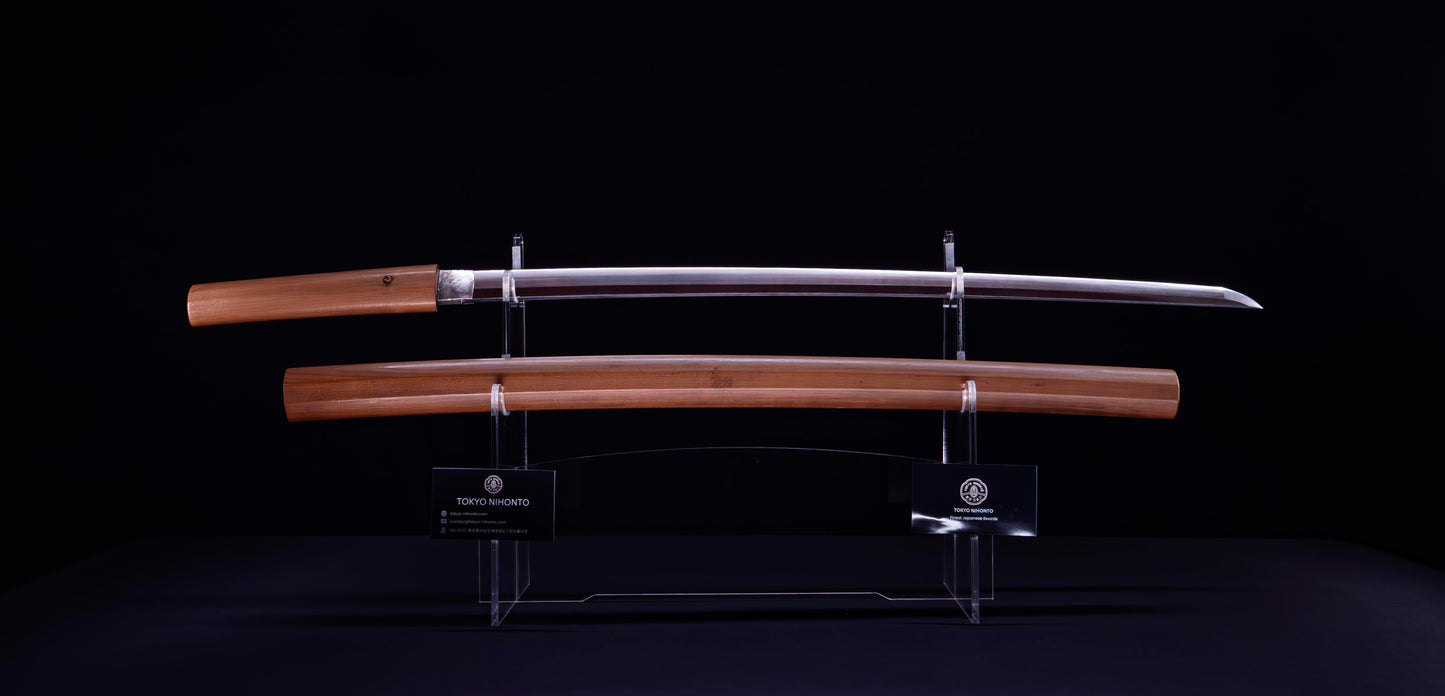
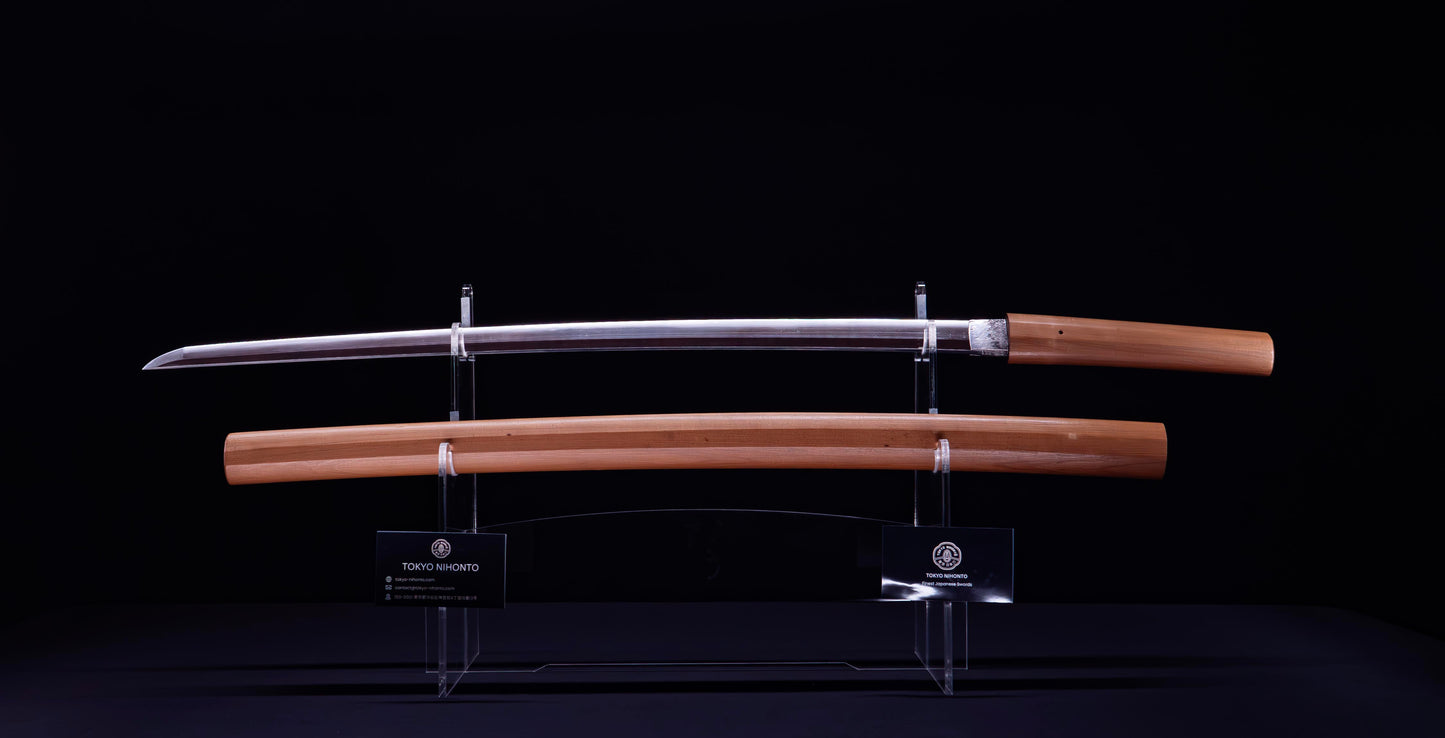
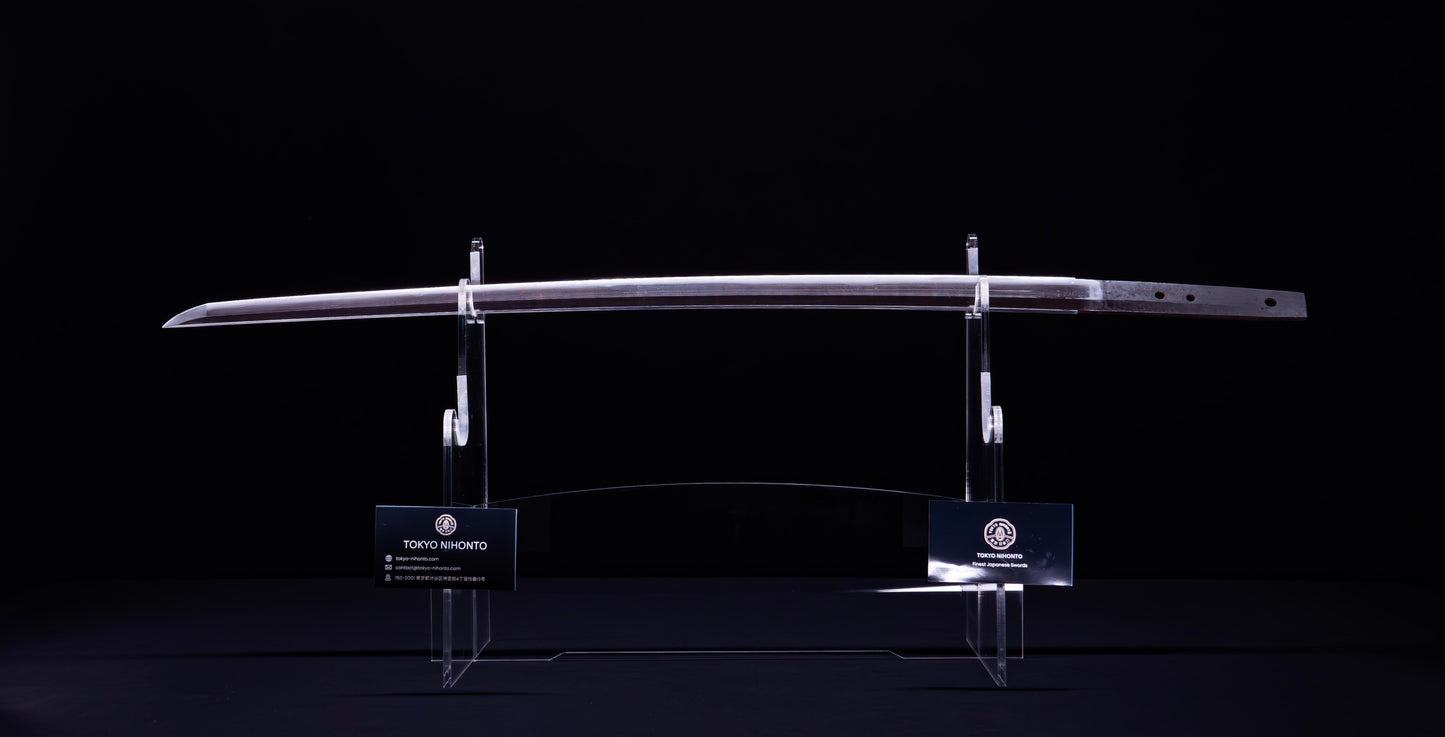
Katana antiguo japonés por Shitahara - NBTHK Hozon
Katana antiguo japonés por Shitahara - NBTHK Hozon
No se pudo cargar la disponibilidad de retiro
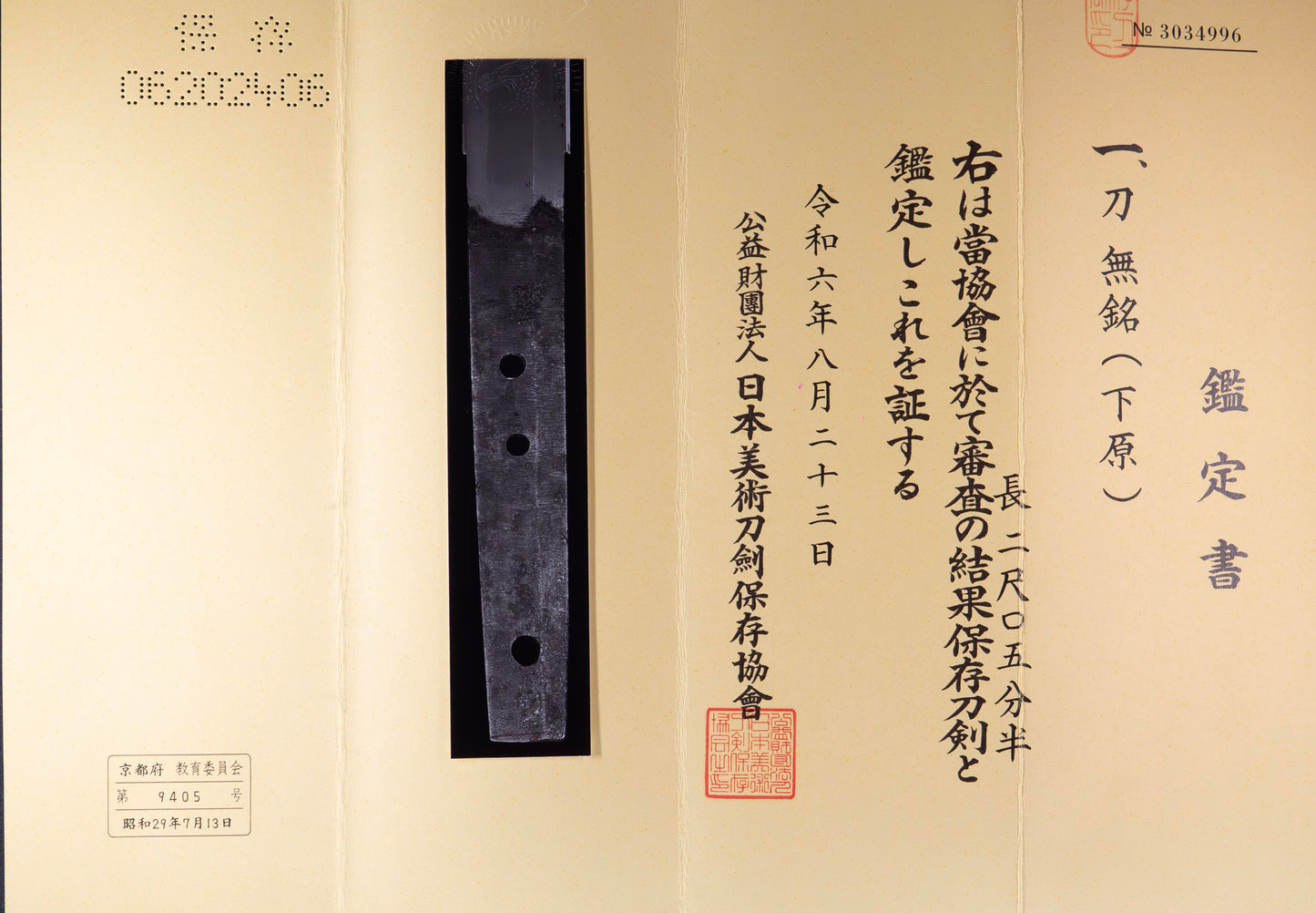
- Firma (Mei): Mumei
- Herrero: Atribuido al grupo 下原(Shitahara)
- Escuela / Tradición: Escuela Shitahara (Bushu / Musashi); trabajo influenciado por Sōshū-Mino
- Período / Provincia: Período Muromachi / Bushu (actual Hachiōji, Tokyo)
- Certificado: NBTHK Hozon(保存刀剣)
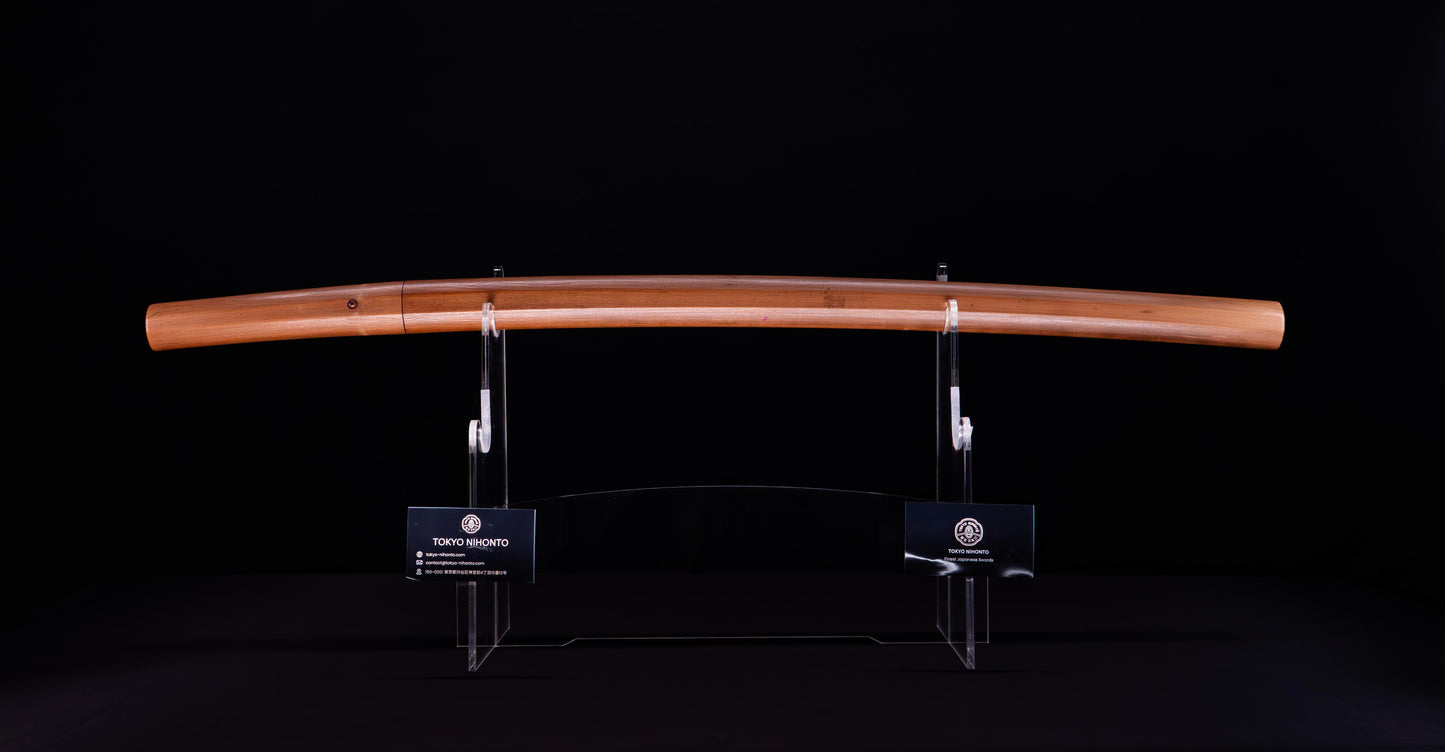
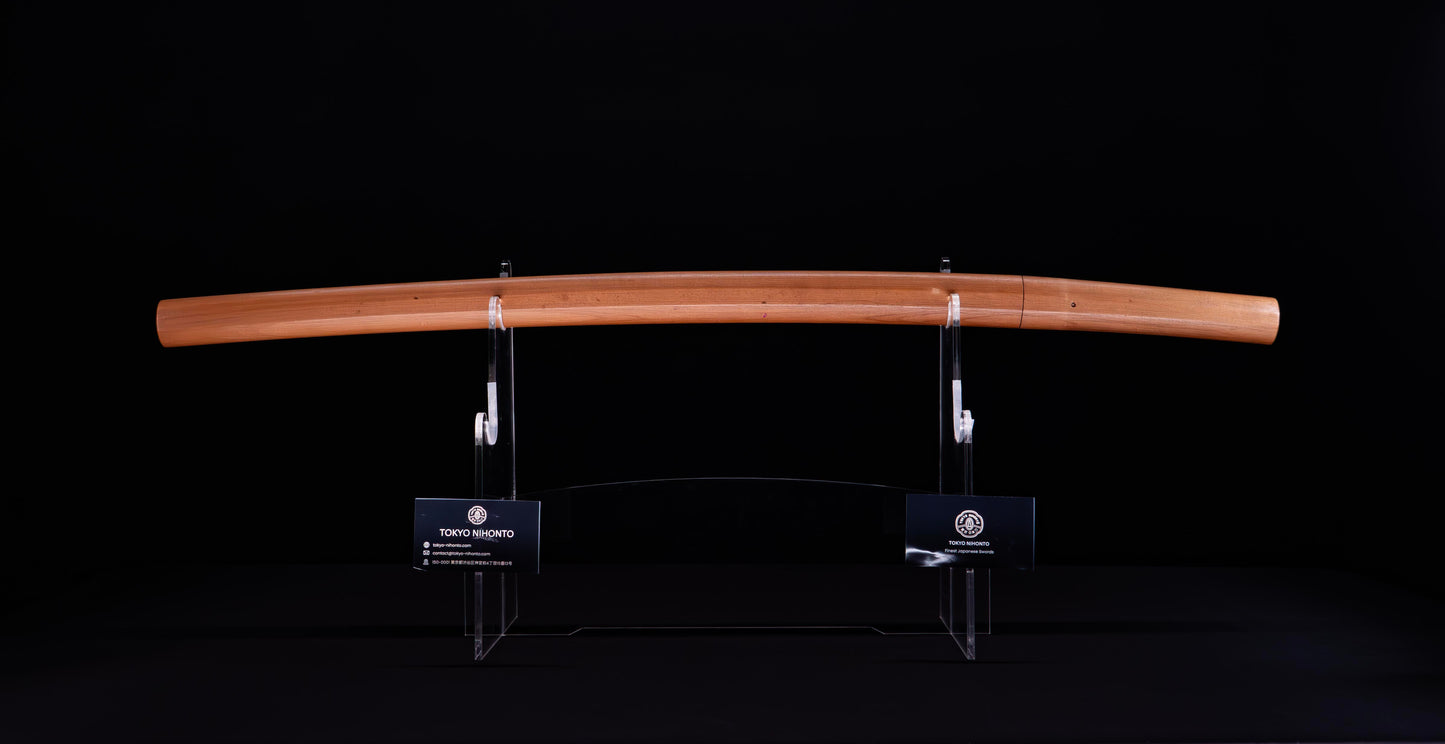
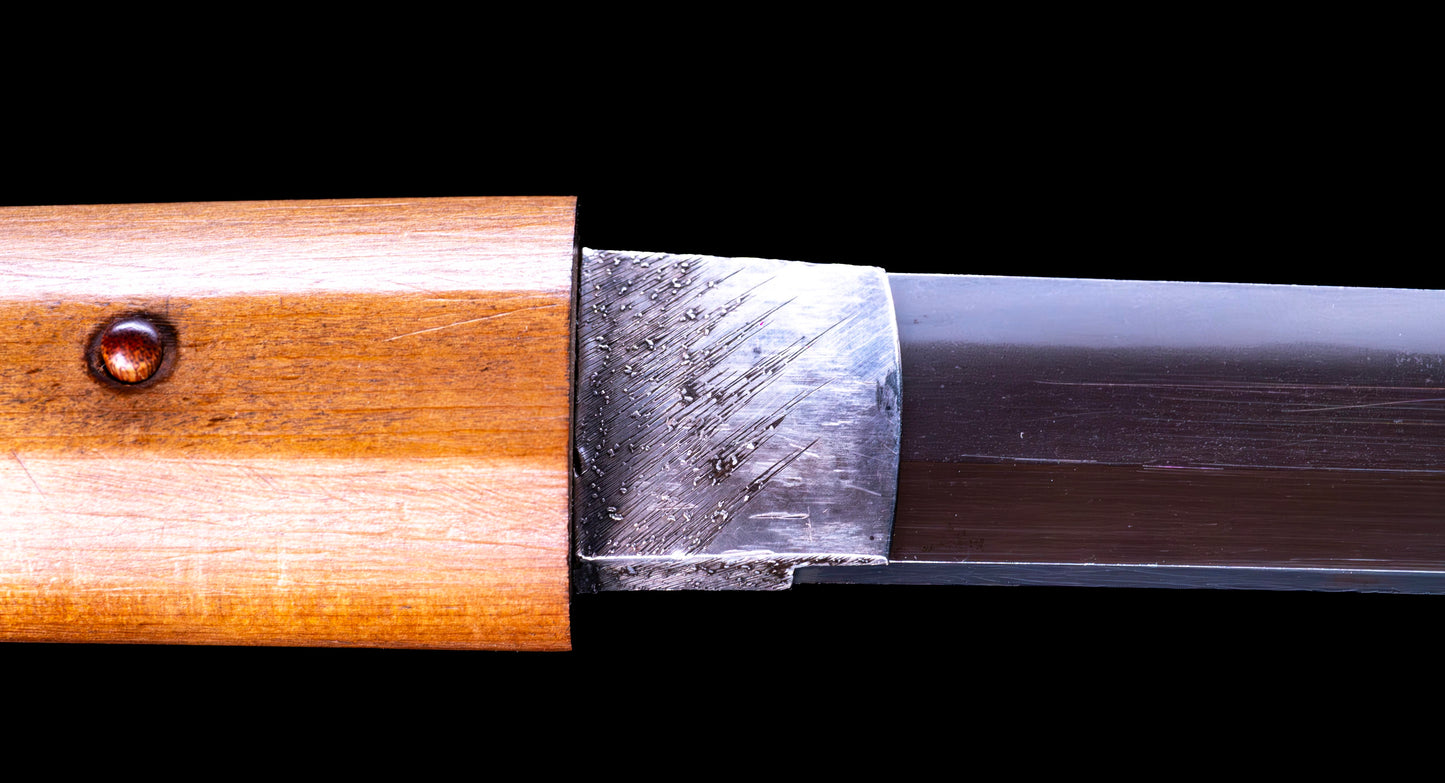
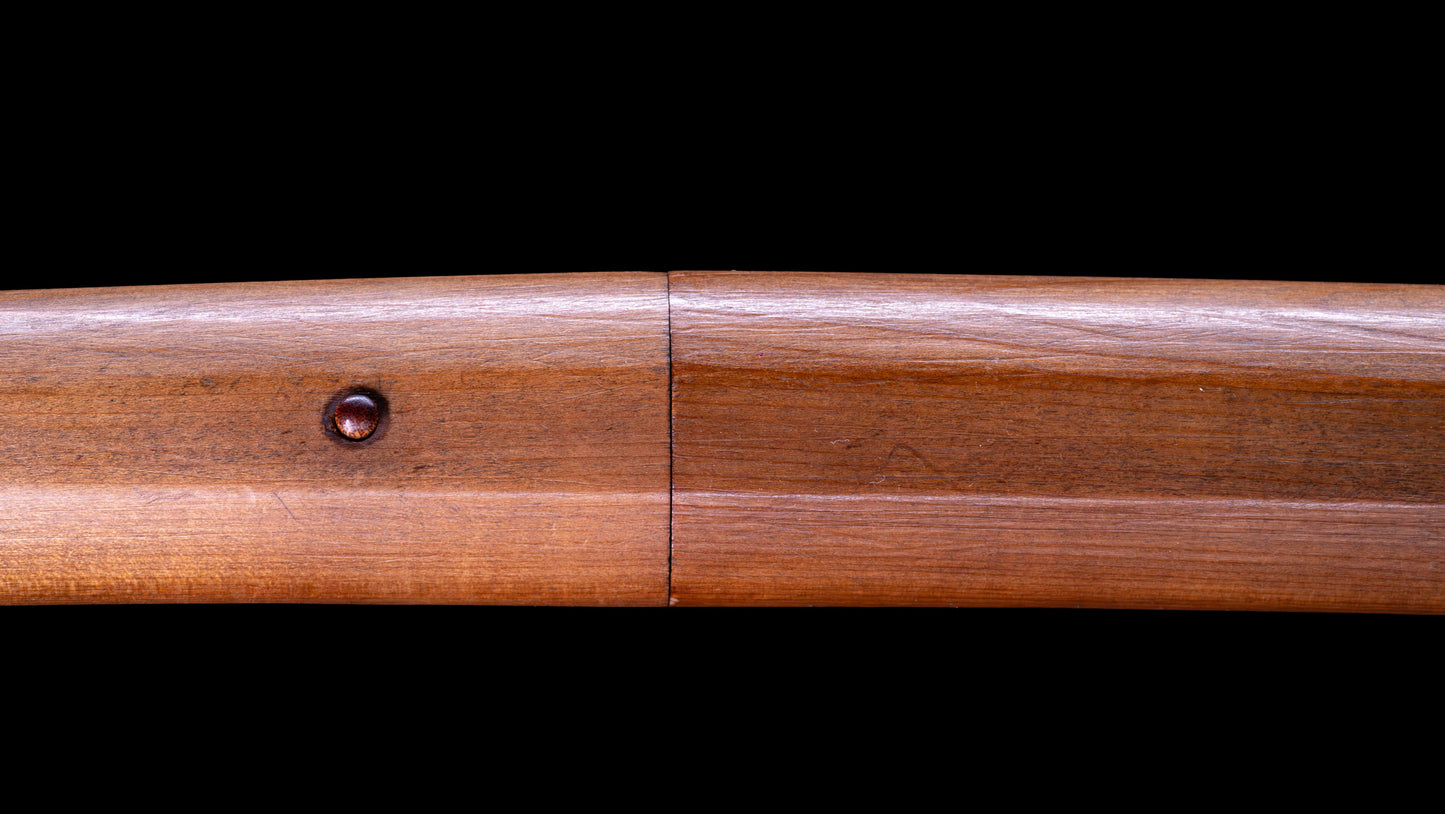
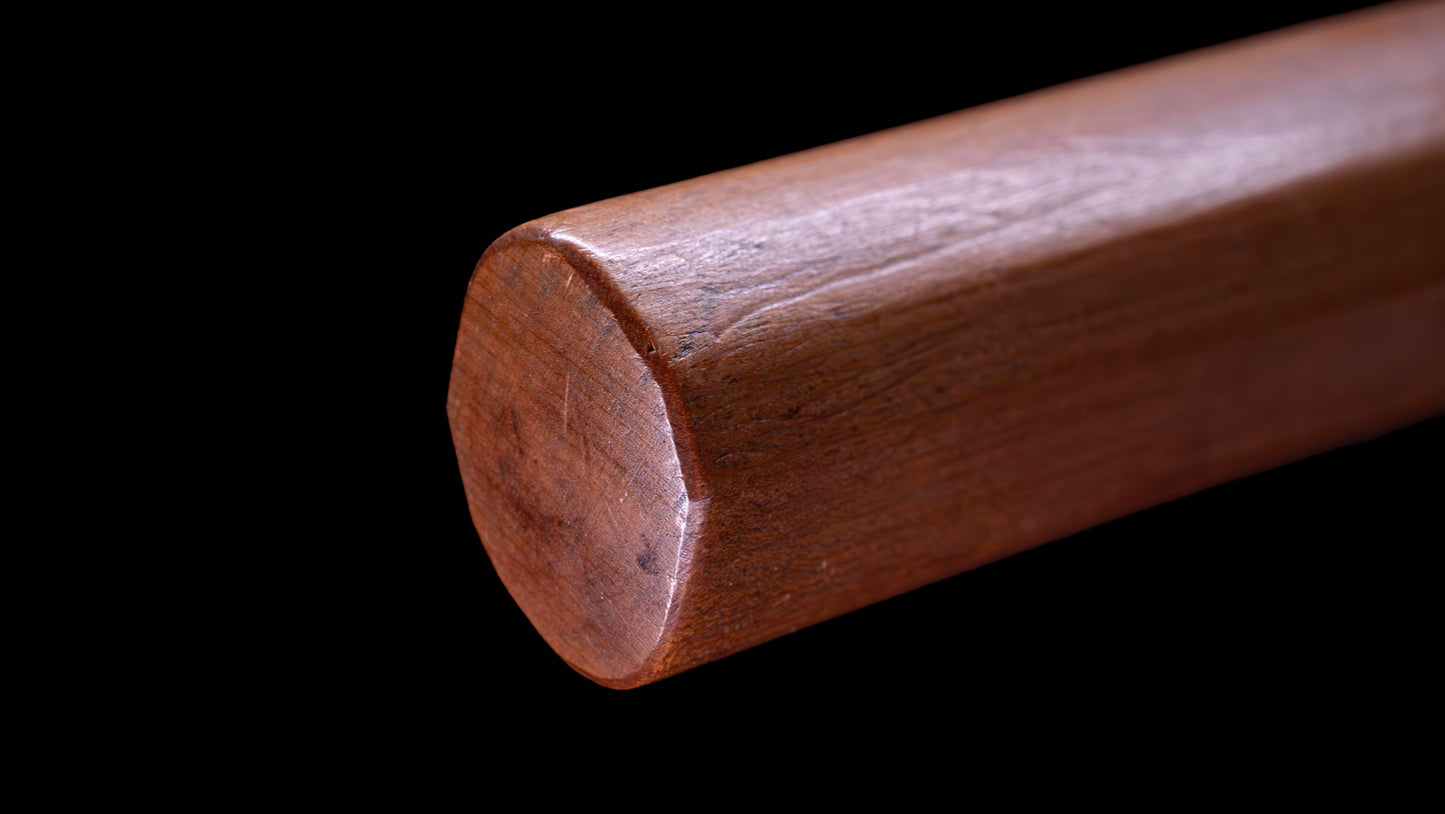
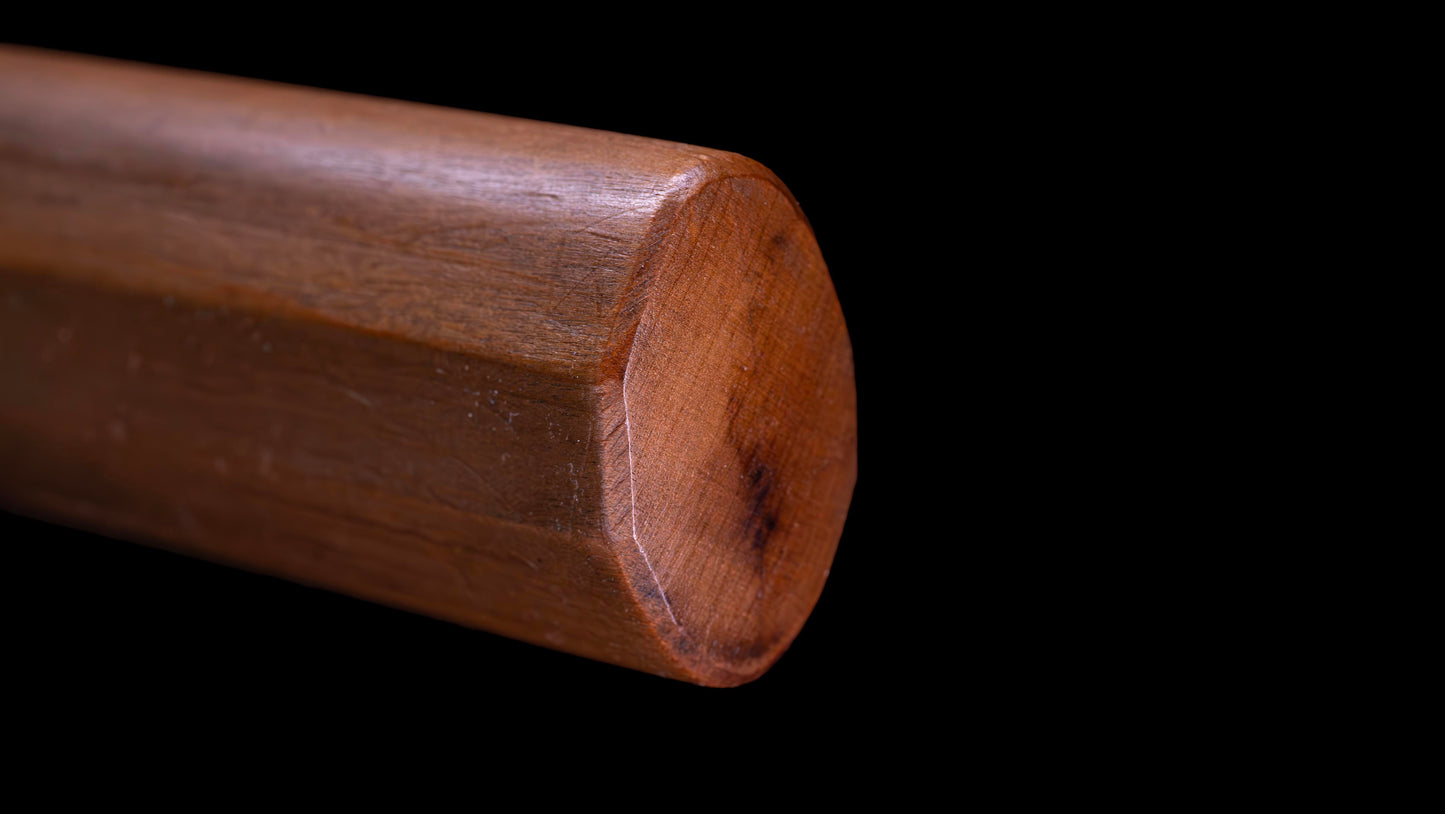
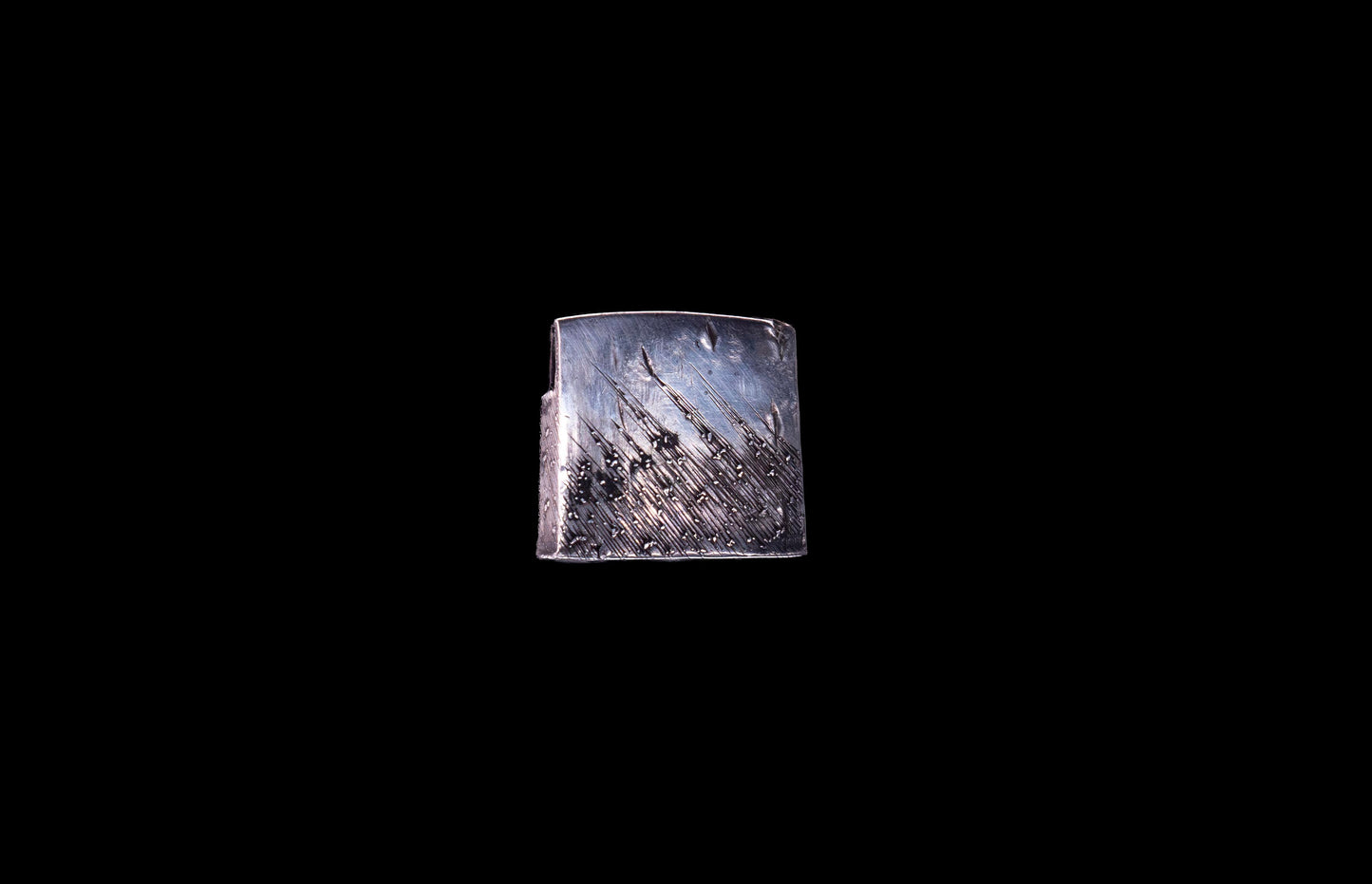
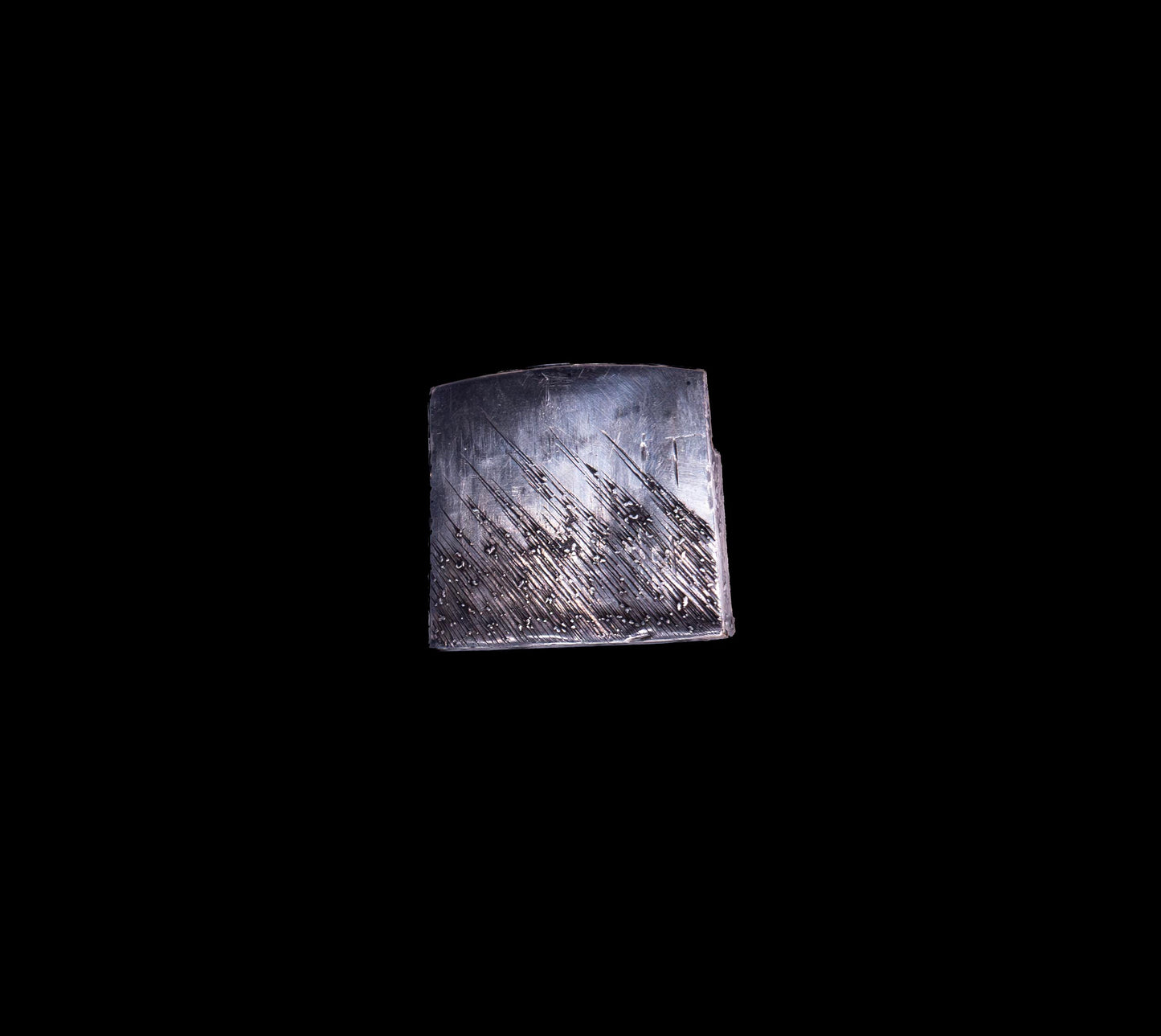
- Montaje: Shirasaya; habaki de metal, 22,9 g
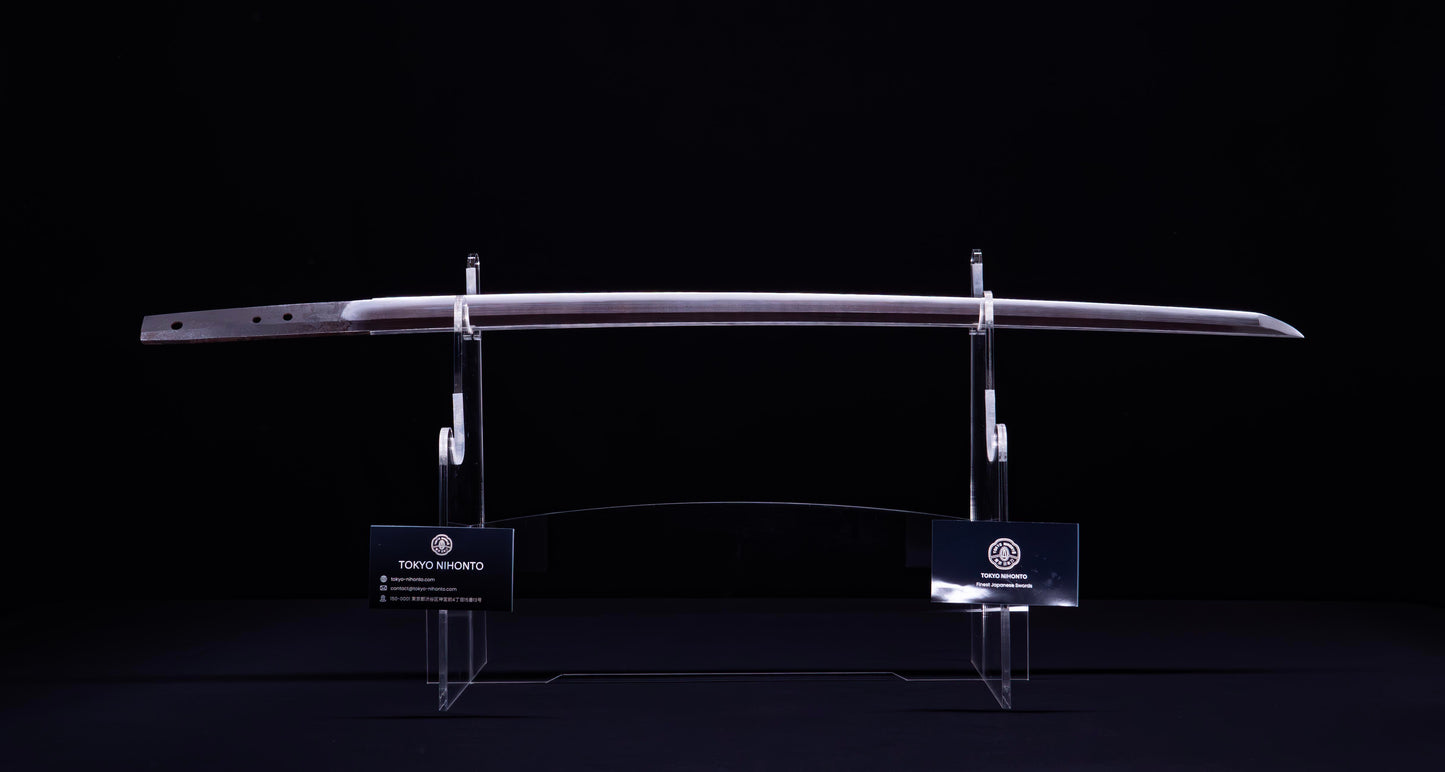
- Longitud de Hoja (Nagasa): 62,27 cm
- Curvatura (Sori): 0,76 cm
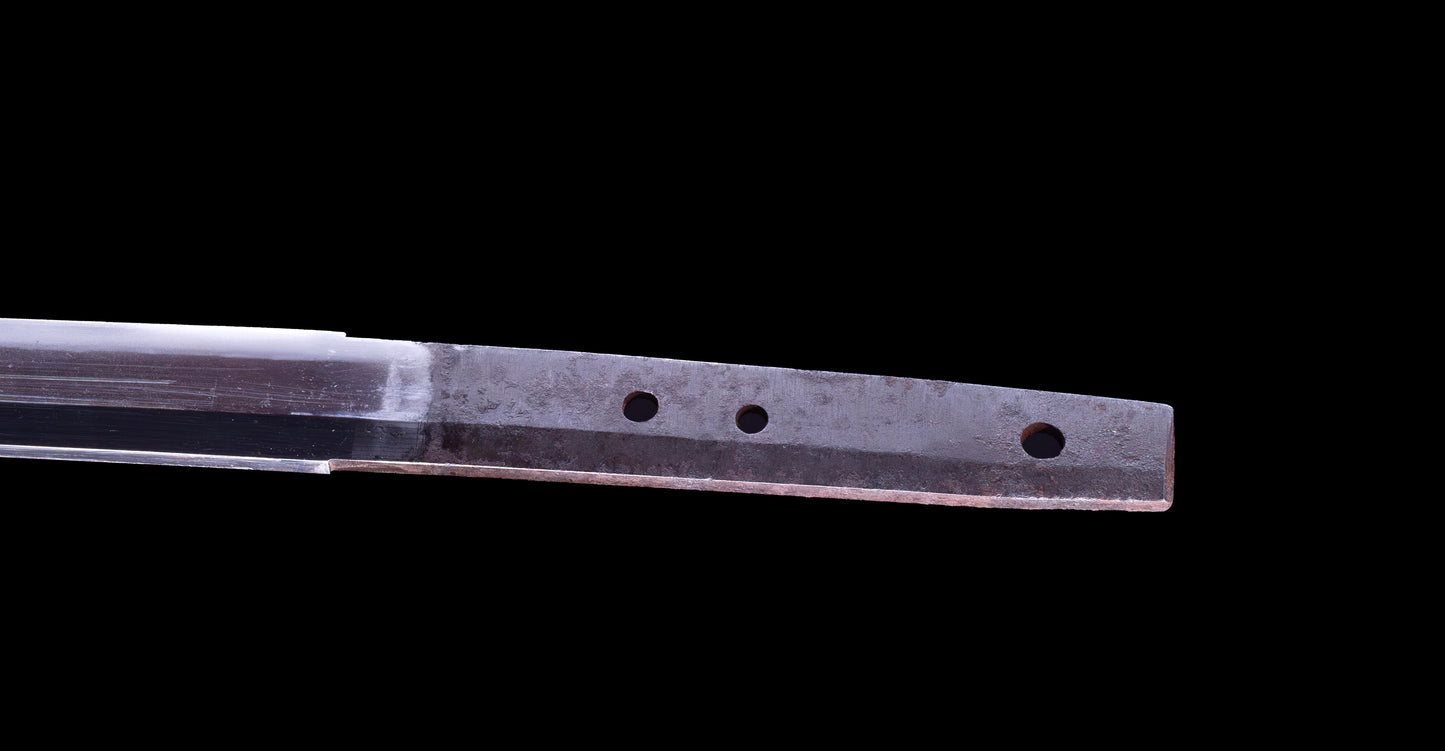
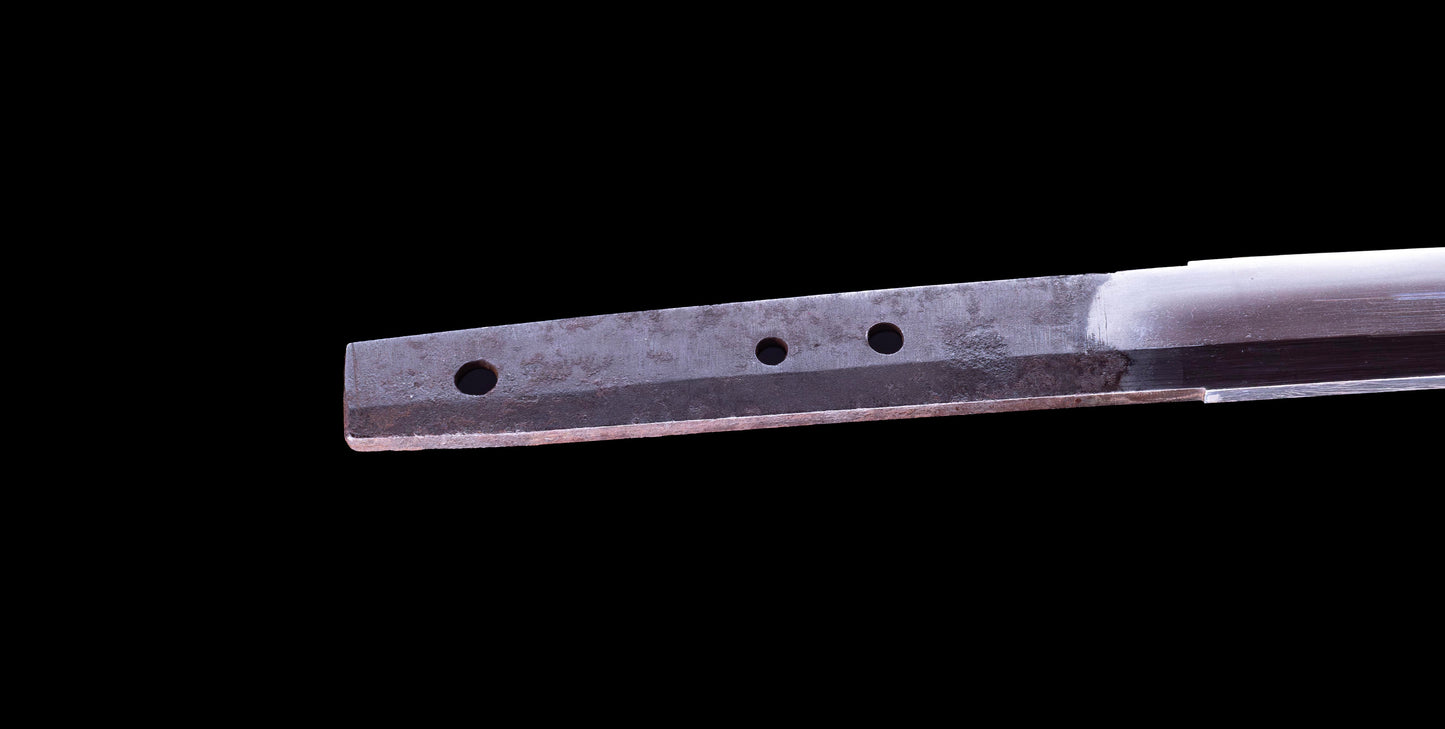
- Mekugi-ana: 3
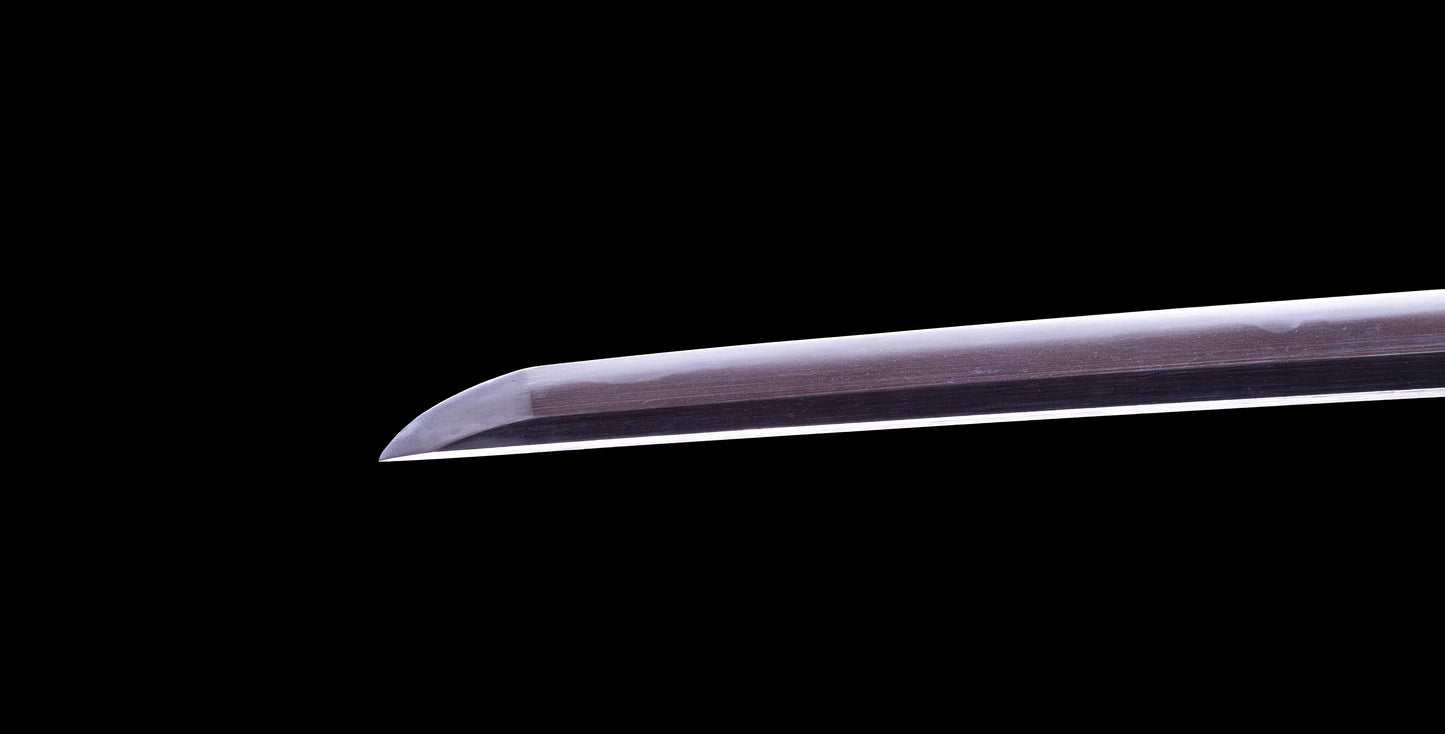
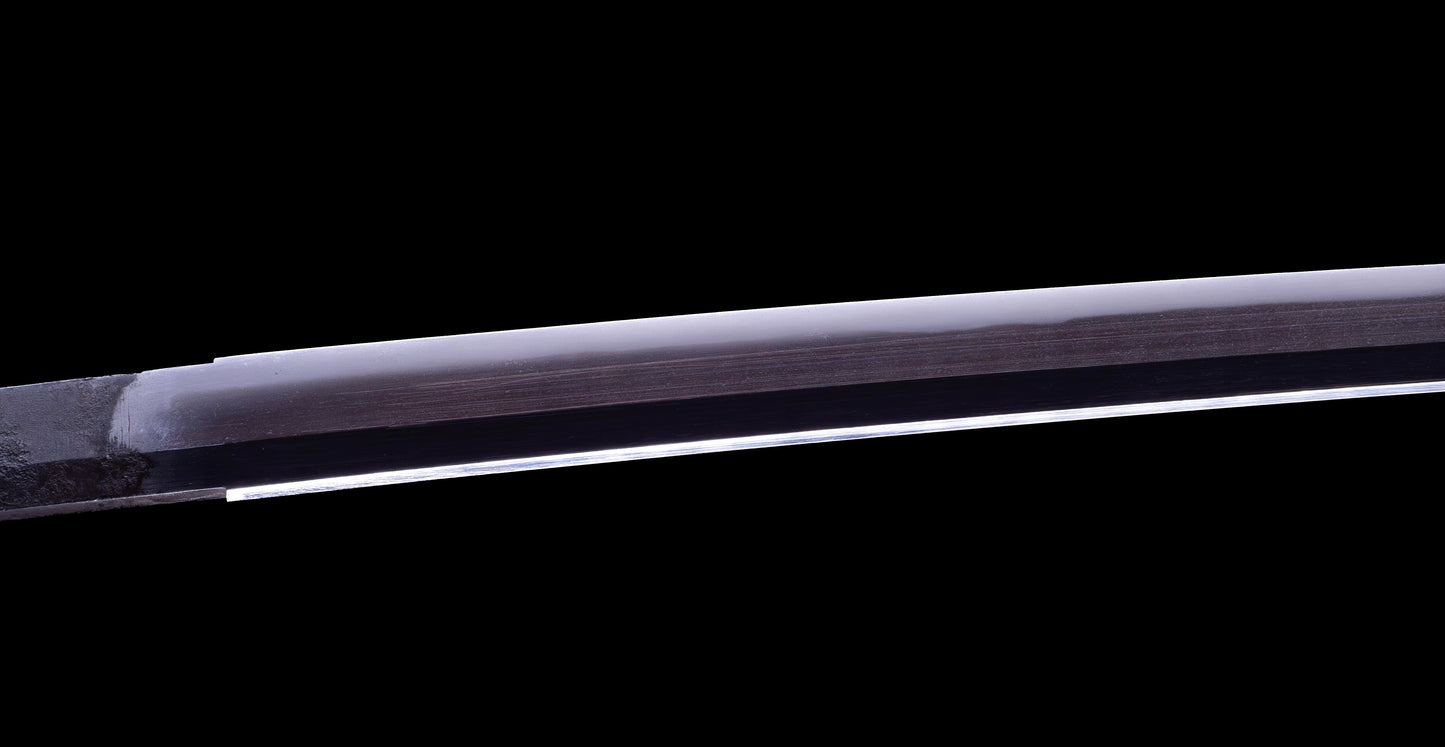
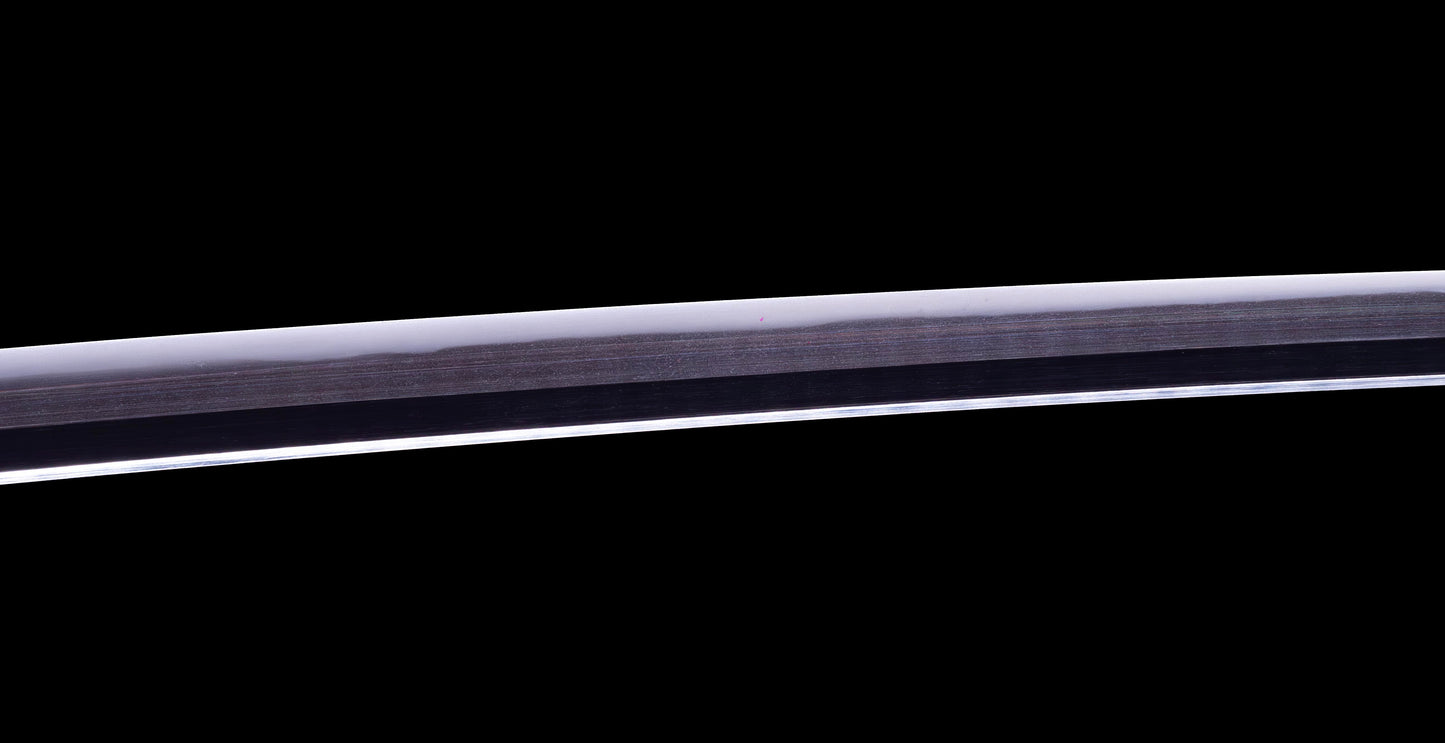
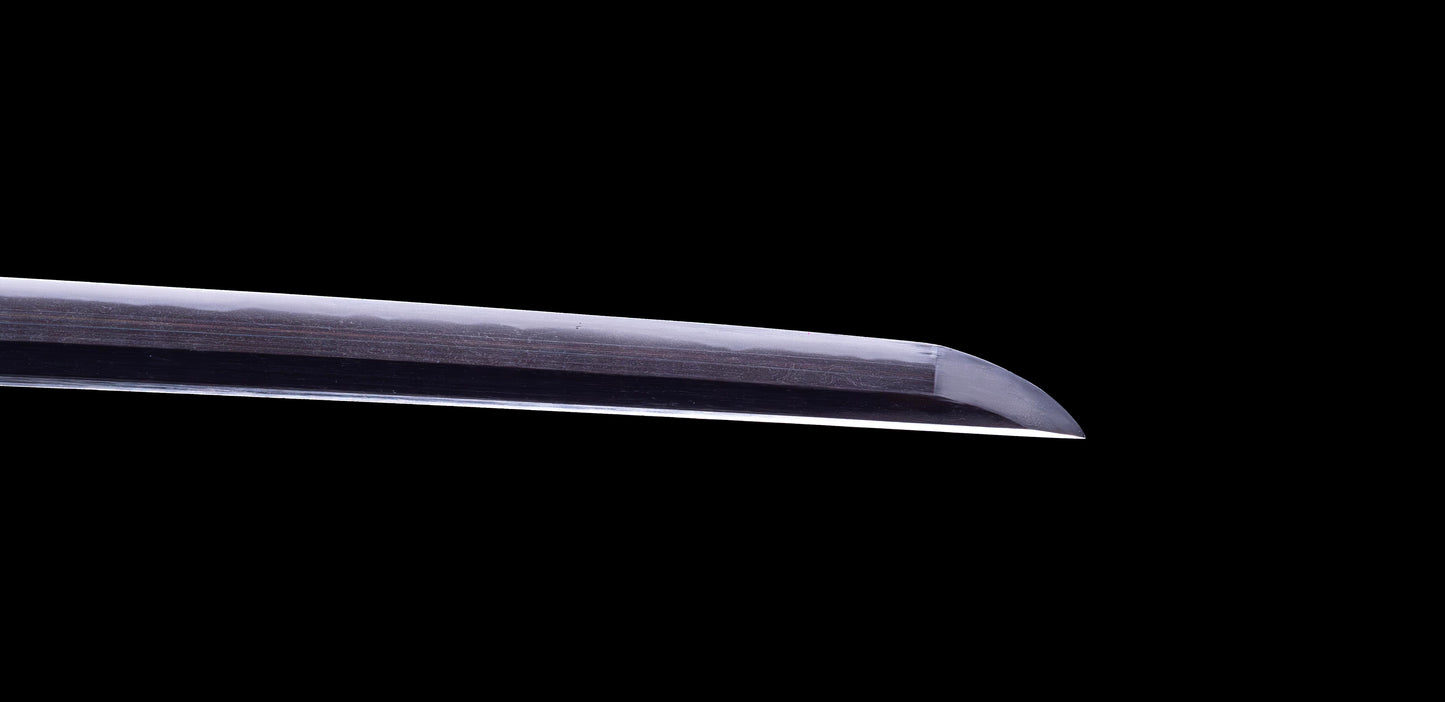
- Forma: Shinogi-zukuri
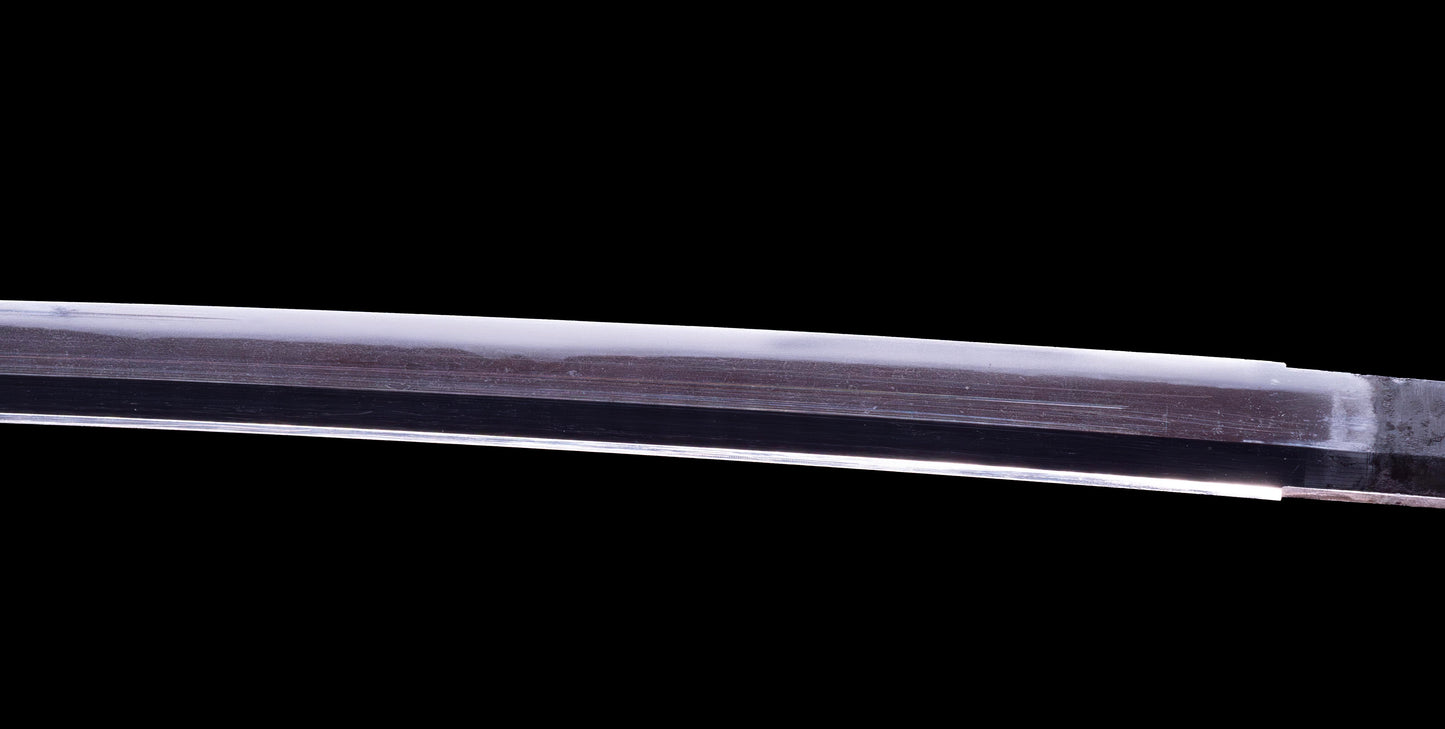
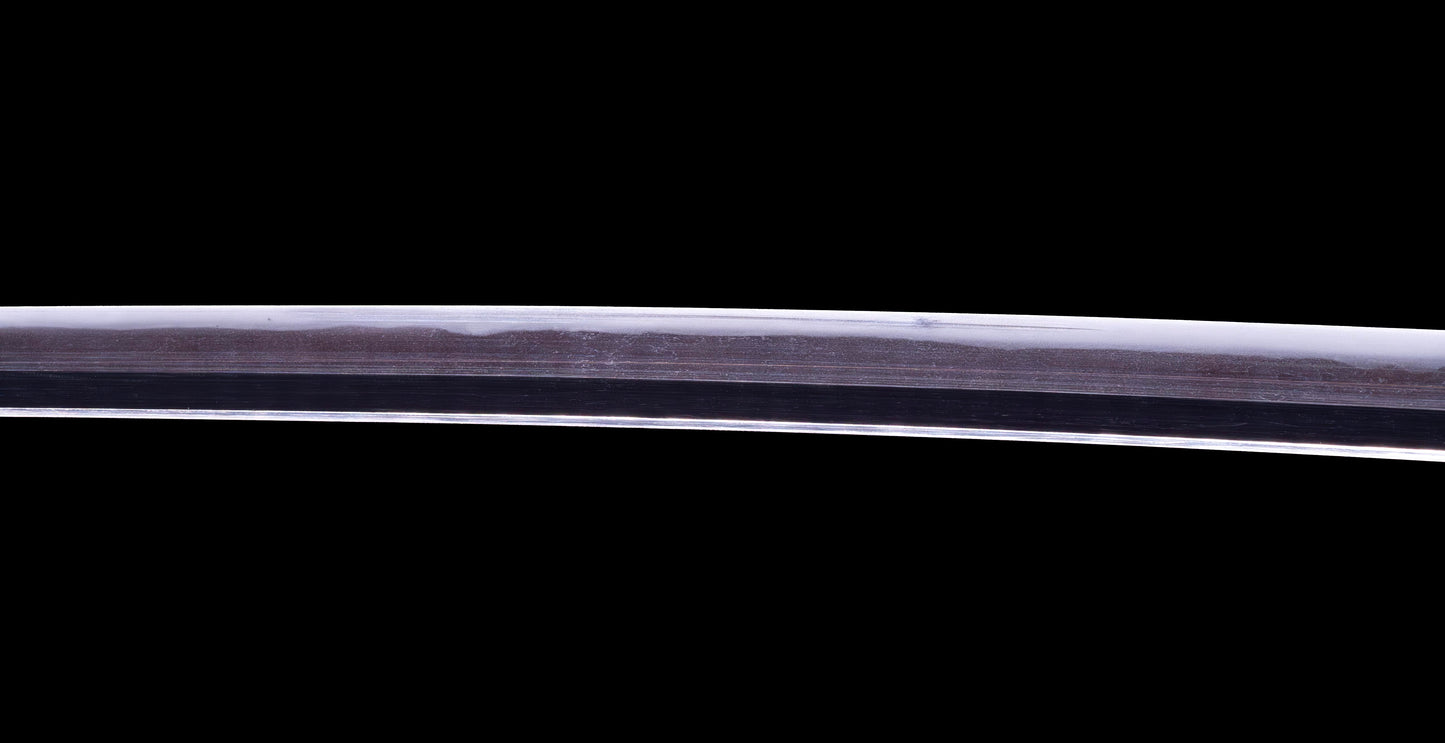
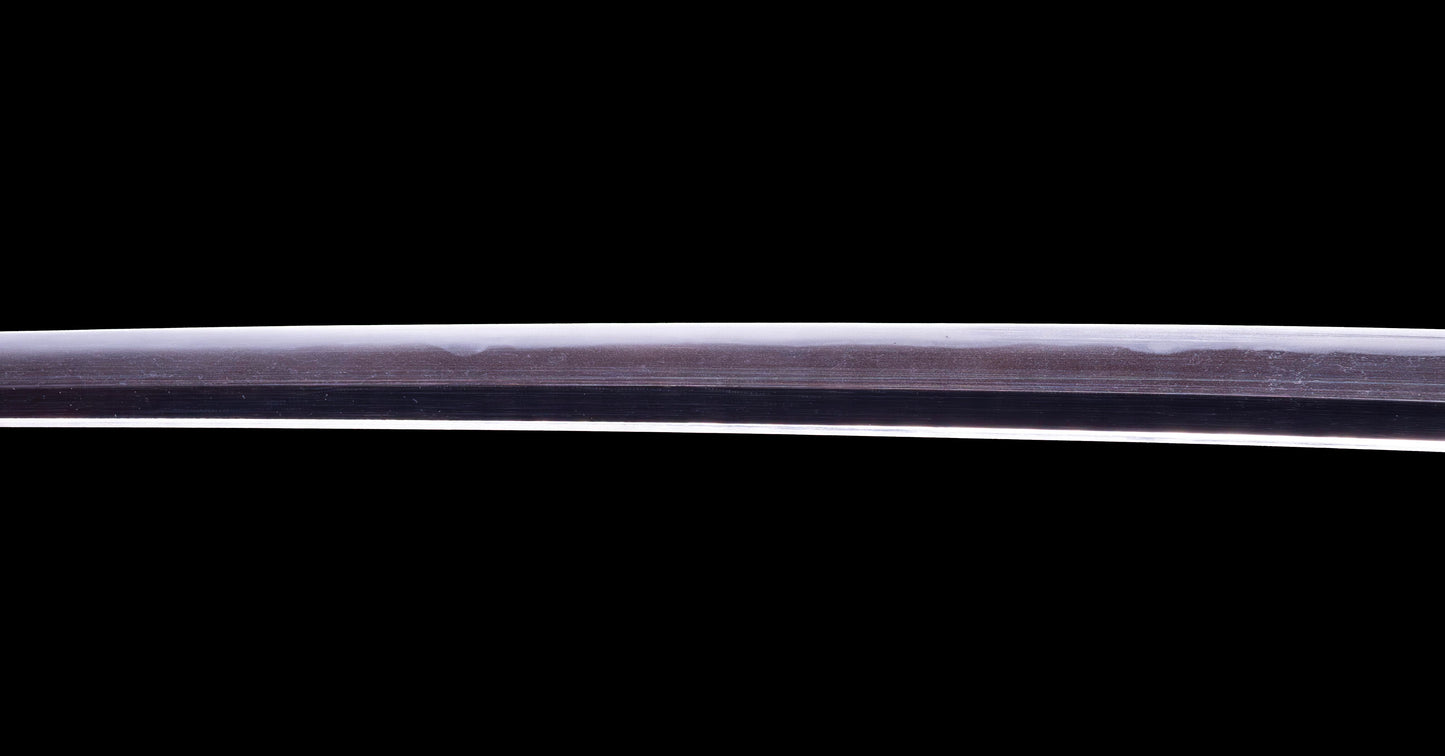
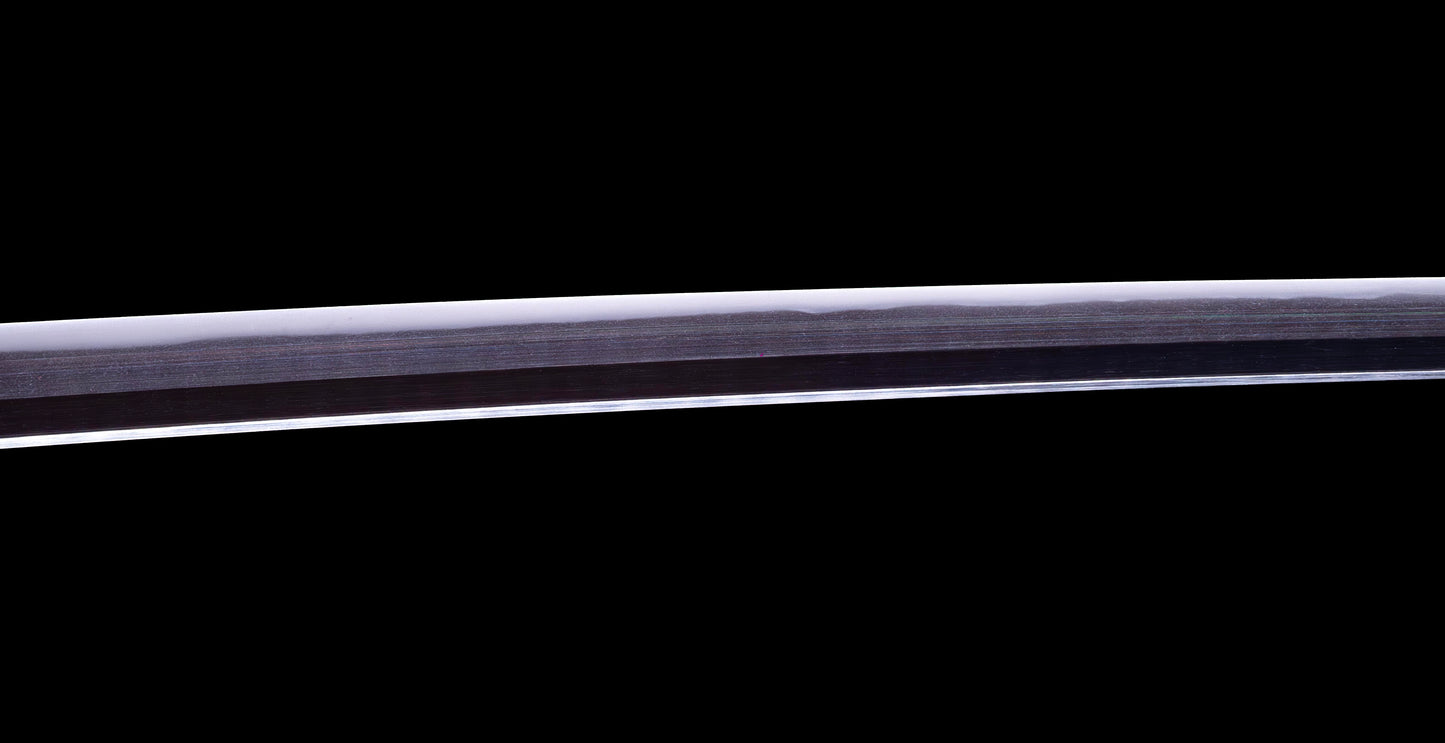
- Jihada: Fino jihada koto con características Shitahara; busca la figura de remolino jorinmoku (如輪杢) en algunos lugares
- Peso de Hoja: 545,1 g (solo hoja)
- Peso de Habaki: 22,9 g
- Longitud Total de Saya: 85,4 cm
- Motohaba / Motokasane: 2,816 cm / 0,728 cm
- Sakihaba / Sakikasane: 1,782 cm / 0,388 cm
Un katana koto certificado NBTHK Hozon atribuido al grupo Shitahara de Bushu (Musashi). Con una nagasa de 62,27 cm y un suave sori de 0,76 cm, la hoja presenta un perfil dignificado de shinogi-zukuri y un jihada bien forjado elogiado en la descripción. Tres mekugi-ana reflejan remontajes durante una larga vida de servicio manteniendo proporciones saludables.
Las hojas Shitahara a menudo muestran un forjado constante con influencias Sōshū-Mino. Un rasgo distintivo a observar es jorinmoku(如輪杢)—pequeñas figuras como remolinos en la superficie del acero—vistas en obras representativas de herreros Shitahara.
Trasfondo del Herrero
Shitahara es el área histórica de forja en la actual Ciudad de Hachiōji (Tokyo). Se dice que la escuela fue fundada por Yamamoto Norishige y prosperó desde finales del período Muromachi hasta finales de la era Edo (finales del siglo XVI-XIX). Los herreros Shitahara—conocidos como Shitahara Kaji—trabajaron inicialmente bajo el clan Hōjō. La célebre línea Yasushige comienza con la primera generación, que firmaba originalmente como Chikashige; adoptó el carácter 「康」 (Yasu) de Hōjō Ujiyasu, cambiando su nombre a Yasushige.
Después de la derrota de los Hōjō por los Toyotomi durante el período Azuchi-Momoyama, el grupo Shitahara sirvió a los Tokugawa como okakae kaji—herreros oficiales retenidos por la casa feudal—y continuaron forjando durante el período Edo. Muchos herreros Shitahara llevaban el apellido Yamamoto; entre ellos, Yasushige es especialmente renombrado.
Historia de la Escuela
Como la única tradición de forja dentro del área moderna de Tokyo que produjo hojas del período koto, la escuela Shitahara es significativa tanto histórica como regionalmente. Las características típicas incluyen formas prácticas y resistentes; líneas de templado tranquilo influenciadas por Sōshū/Mino; y actividad distintiva de jorinmoku en el jihada. Este ejemplo certificado Hozon representa el carácter robusto y listo para el campo del grupo en una estética Muromachi bien preservada.
Contenido desplegable
Payment
You can pay by Bank card or Bank transfer. If you wish to use bank transfer please contact us using the form bellow with the name of the sword you are willing to buy.
Customs and Taxes
・Import duties, taxes and charges are not included in the item price or shipping charges. These charges are the buyer’s responsibility.
・Please check with your country’s customs office to determine what these additional costs will be prior to bidding/buying.
・These charges are normally collected by the delivering freight (shipping) company or when you pick the item up - do not confuse them for additional shipping charges.
Shipping and Return
- Swords are shipped from Tokyo, Japan. We manage all the procedures to export the sword.
- You can't return sword to Japan because procedures are too strict.
- We work with a shipping company that have experience with Nihonto so you don't have to worry.
- Please check the rules of your country before importing the sword. We do not take any responsibility, including (not limited to) refund, due to the above reasons.
- We can NOT cancel an order once, we already applied for the export authorization. As this document is made to customer name.
We have shipped authentic Japanese swords to the USA, UK, Canada, Mexico, Germany, France, Hong Kong, and Australia. If you don’t live in these countries and like to order, please contact us first before purchasing. We normally ship by EMS (Express Mail Service) provided by Japan Post.
If you live in the UK, please contact us BEFORE order.
Export Procedure (We manage it)
・All our swords are registered in the Agency for Cultural Affairs as artwork and The Board of Education(Cultural properties protection Committee); therefore each sword has the registration card, issued by the Board of Education.
・After receiving the full payment of the items,we return the registration card and get the permission from Ministry of Cultural Affairs to export the swords legally from Japan. It will take about 1 to 3 months for that step.
・After the receiving the permission, we will inform you by email and send the items immediately.
Contact form
What Our Collectors Say
Independent reviews from verified buyers on Trustpilot
Wonderful folks to buy from
“Large selection to choose from. The katana were signed with Hozon and the blades in a shirasaya. My two katana and Kozuka came packed in a solid wooden crate. Great friendly communication.”
Got a beautiful sword delivered to NYC
“Condition is just as pictured. Took a little while to get all the way to the states, but I was very happy with this seller and plan to purchase more from them.”
Order with confidence
“In the end I received what I ordered, well-packaged and in the condition specified.”
Un katana antique magnifique
“J'ai posé beaucoup de questions au support qui a su répondre et m'aider dans mon choix. La commande est arrivée avec le certificat dans un emballage robuste et en parfait état, il est vraiment magnifique !”